

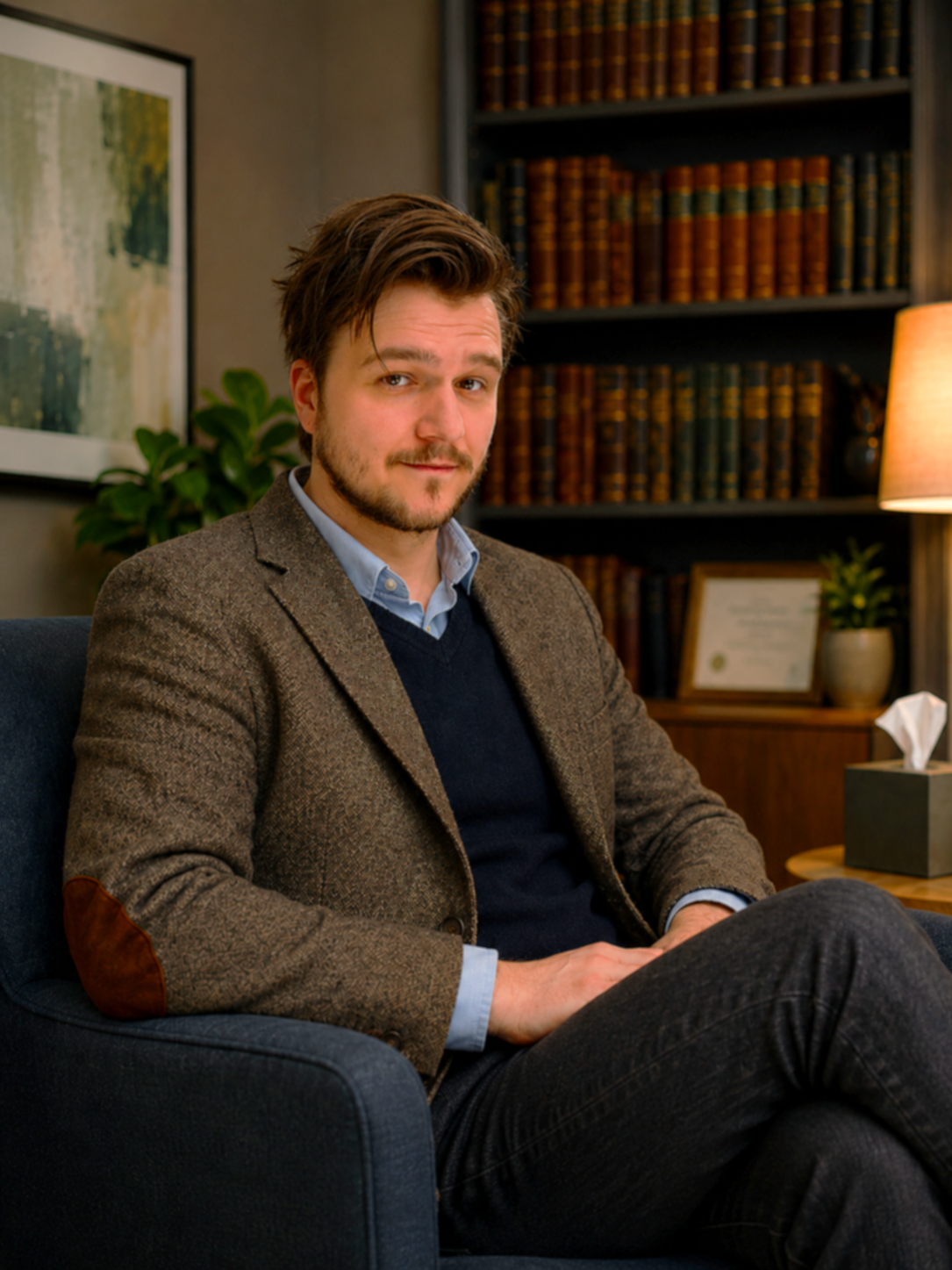
Meet Dr. Zacharria Cotter, CPsychol. (Chartered Psychologist)
Our Lead Practitioner is a published psychologist with a strong background in neuroscientific research, behavioural assessment and contemporary psychotherapeutic methods.
Offering a professional, collaborative, and tailored approach that responds to the needs of clients. Emphasis is placed on creating a calm and confidential therapeutic environment, whether working one-to-one, or in group and family therapy settings.
My Approach
Dr. Zacharria Cotter
My approach to psychotherapy is grounded in evidence-based psychological understanding. My background in cognitive neuroscience and psychology focuses on the neural and cognitive processes associated with human behaviour, emotional functioning, and psychological difficulties. Over time, this has led me towards an integrative practice, drawing from multiple perspectives to form a comprehensive view of presenting issues. I aim to provide an open, reflective, and adaptable therapeutic space that responds to each client in a personalised and meaningful way.
Some major influences on my therapeutic approach are listed below.
-
Cognitive neuroscience and biopsychology are informed by an evidence-based understanding of emotion, stress, attention, memory, and psychological functioning. They take a particular interest in how cognitive, behavioural, and physiological processes interact to shape human experiences.
-
Cognitive Behavioural Therapy (CBT) explores the relationship between thoughts, emotions, behaviours, and patterns of interpretation. Elements of CBT may be incorporated into therapy to help clients identify unhelpful patterns, develop practical coping strategies, improve emotional regulation, and build greater psychological flexibility in day-to-day life.
-
Dialectical Behavioural Therapy (DBT) places emphasis on emotional regulation, distress tolerance, interpersonal effectiveness, and mindfulness-based skills. Elements of DBT may be integrated where appropriate to support clients in managing overwhelming emotions, overcoming destructive behavioural cycles, and developing healthier ways of responding to stress and interpersonal difficulties.
-
Psychodynamics and psychoanalysis focus on the deeper emotional patterns, relational experiences, and unconscious processes that may influence thoughts, behaviours, and emotional difficulties. This perspective can help clients develop greater self-understanding, explore recurring themes in underlying issues, and reflect more deeply on personal experiences and relationships.